We are dedicated to keeping you informed and supported regarding your health. Understanding information is the foundation of wellbeing, and we are here to guide you throughout the journey with care and professionalism, always.
Growing older should come with dignity, respect and the opportunity to remain involved in the things that matter. International Day of Older Persons highlights the contributions of older people while drawing attention to healthy ageing, inclusion and the challenges that can affect quality of life later in life.
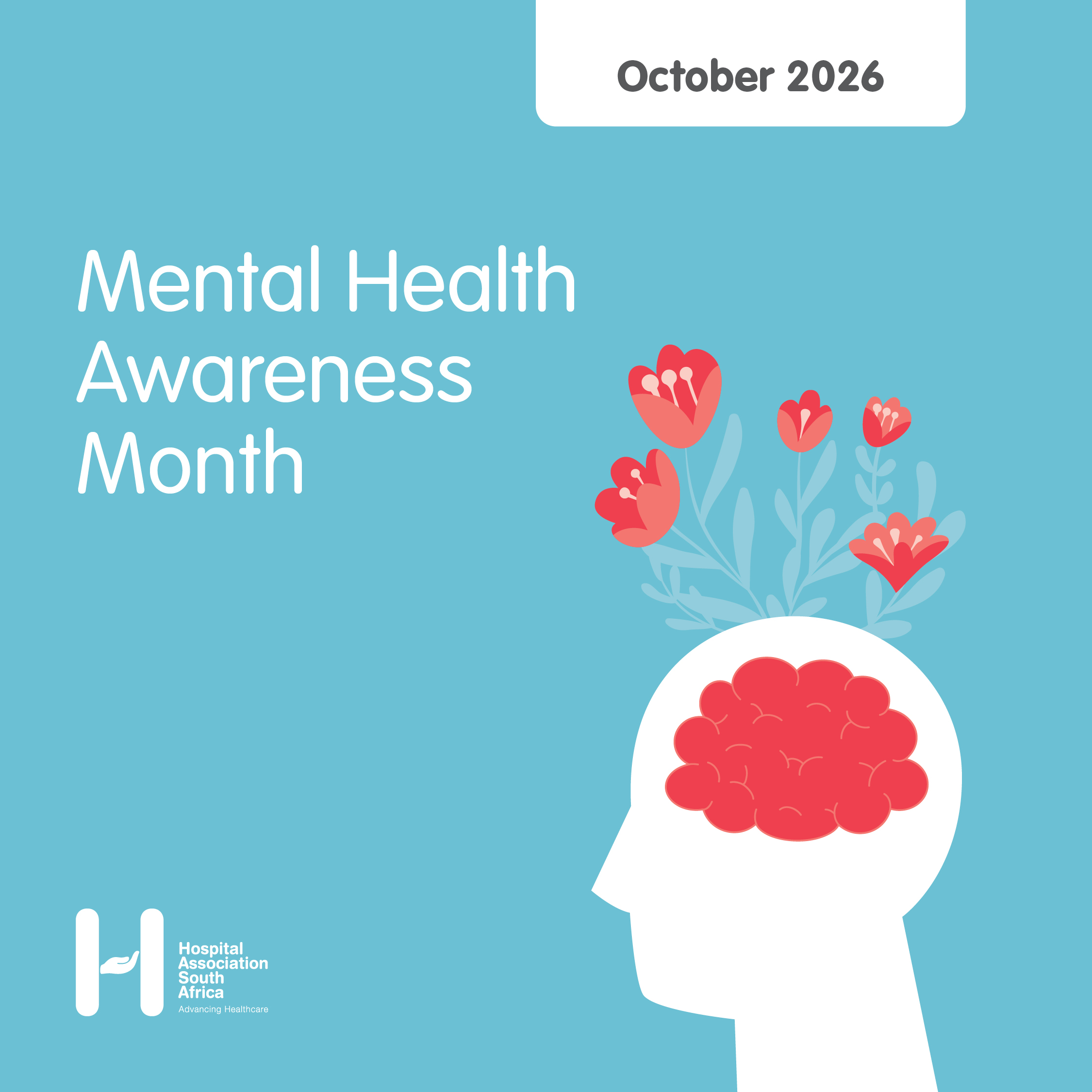
Mental health is part of overall health, yet it is often pushed aside until things become difficult to manage. Mental Health Awareness Month creates space for conversations about emotional wellbeing, mental illness, support and recovery, reminding us that asking for help is a sign of taking your health seriously.
Breast cancer can affect people at different stages of life, and noticing changes early can make an important difference. This month is an opportunity to become more familiar with your breasts, understand your risk and know when to speak to a healthcare professional.
ADHD affects more than focus. It can shape organisation, daily routines, relationships, school and work. Many people go years without understanding why certain tasks feel harder. ADHD Month promotes awareness, earlier support and a better understanding of how the condition can affect each person differently.
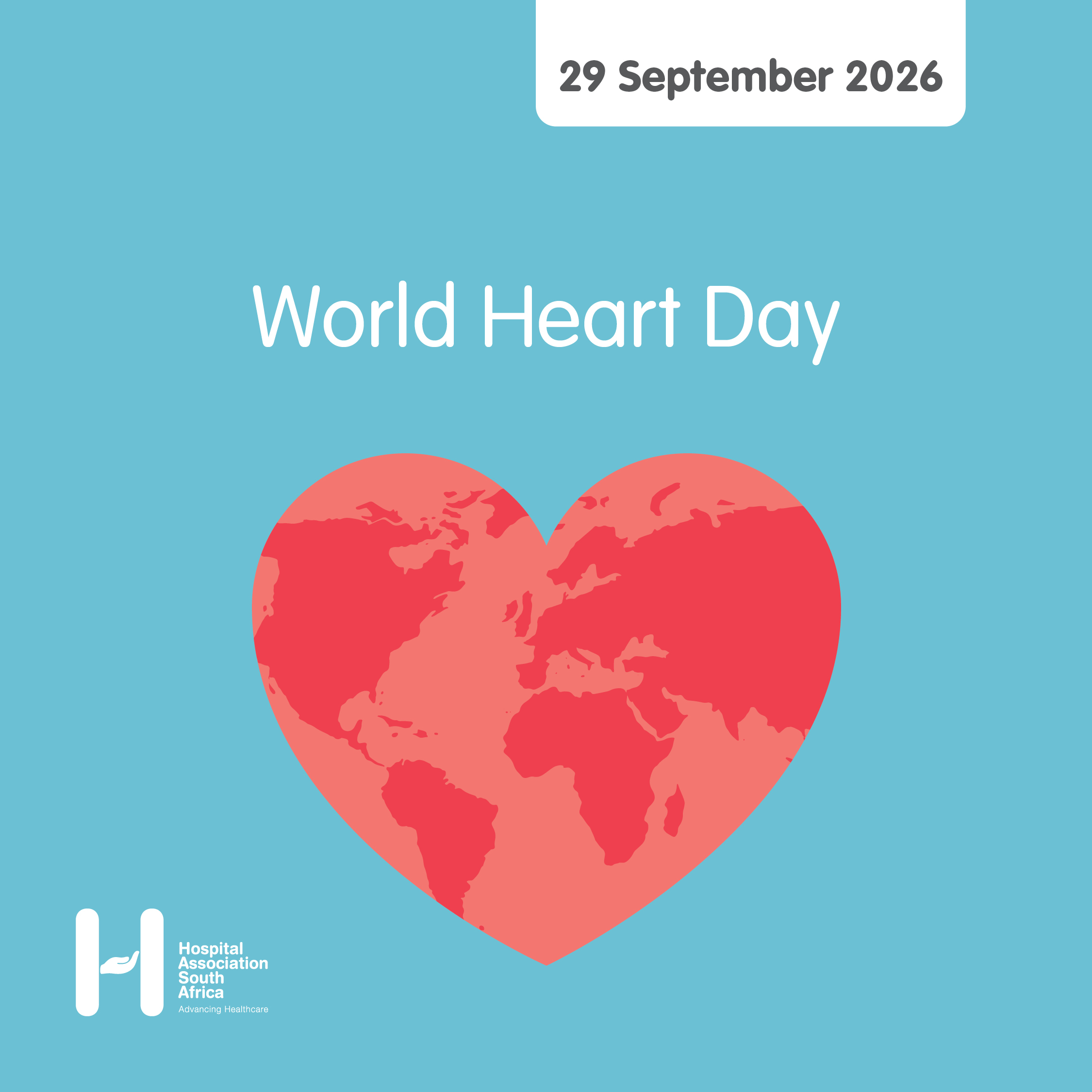
Heart Awareness Month encourages people to think about their cardiovascular health throughout September, while World Heart Day brings this message into sharper focus. It is an opportunity to reflect on heart health, understand personal risk factors and consider positive steps towards protecting the heart.
Making informed decisions about contraception can help people take greater control of their reproductive health. World Contraception Day encourages access to reliable information and open conversations with healthcare professionals about the options available and what may be appropriate for each individual.
The environments around us can influence our health in ways we may not always notice. World Environmental Health Day highlights the relationship between healthy surroundings and healthy communities, drawing attention to factors such as clean water, sanitation, pollution, waste management and safe living conditions.
Healthy vision is something worth protecting at every stage of life. Eye Care Awareness Month encourages people to make eye health part of their regular healthcare routine by attending eye examinations, paying attention to changes in vision and seeking professional advice when concerns arise.
Alzheimer's disease can affect memory, communication and independence, while also changing the lives of those who provide care and support. World Alzheimer's Day promotes greater understanding of dementia and encourages communities to approach those affected with patience, dignity and compassion.
Behind every person facing a serious health condition is a story that deserves compassion and support. Sunflower Day raises awareness of blood disorders and highlights initiatives that help patients and their families access the support they need during challenging health journeys.
Quality healthcare should always place patient safety at its centre. World Patient Safety Day highlights the importance of clear communication, careful healthcare practices and collaboration between patients, families and professionals to help prevent avoidable harm.
Attention Deficit Hyperactivity Disorder can influence concentration, organisation and behaviour in different ways. National Attention Deficit Hyperactivity Disorder Day encourages greater understanding of the condition while challenging misconceptions and promoting appropriate support for those affected.
What happens during pregnancy can have lasting effects on a child's development. International Foetal Alcohol Syndrome Day raises awareness of the effects of alcohol exposure during pregnancy while promoting prevention, early support and greater understanding of the challenges faced by people living with foetal alcohol spectrum disorders.
Gynaecological health is an important part of women's wellbeing throughout every stage of life. International Gynaecological Health Day encourages women to understand their bodies, pay attention to changes and seek professional advice when something does not feel right.
Your kidneys perform essential work every day, helping the body remove waste and maintain the right balance of fluids and minerals. National Kidney Awareness Week encourages people to learn about kidney health, understand potential risk factors and recognise why protecting kidney function matters.
Pharmacists are an important part of the healthcare journey, helping people understand medicines, manage treatments and make informed decisions about their health. Pharmacy Month recognises their contribution while encouraging responsible medicine use and meaningful conversations with healthcare professionals.
Oral health is an important part of overall health, not simply the appearance of a smile. National Oral Health Month encourages good daily habits, regular dental care and greater awareness of problems affecting the teeth, gums and mouth before they become more serious.
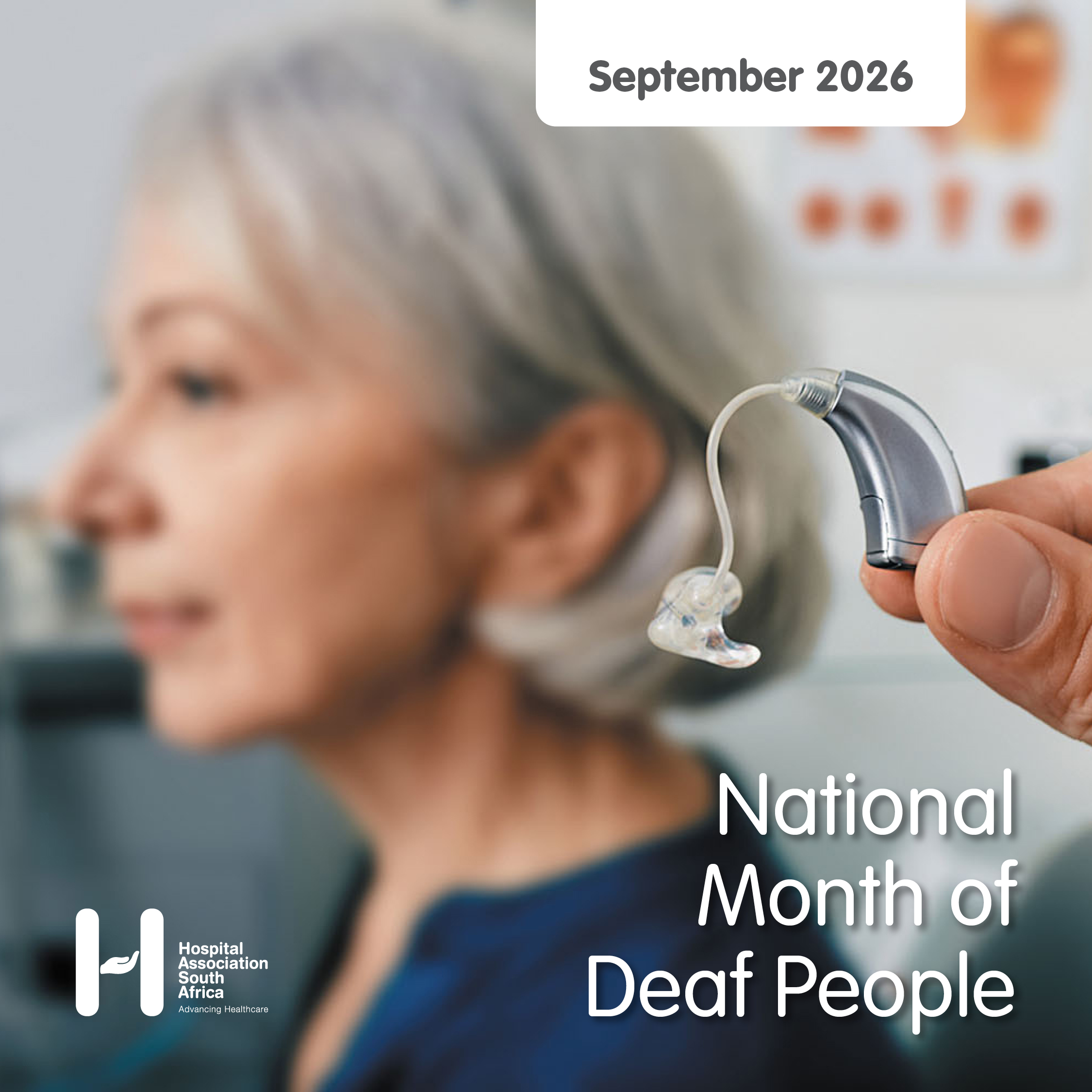
Everyone should be able to access healthcare, information and community life without unnecessary barriers. National Month of Deaf People promotes awareness of Deaf culture and experiences while encouraging more inclusive communication, greater accessibility and respect for the diverse ways people connect with one another.
A childhood cancer diagnosis affects an entire family. This month shines a light on the realities faced by children with cancer and their loved ones while encouraging awareness of early diagnosis, appropriate treatment, ongoing support and the importance of giving every child the best possible chance of recovery.
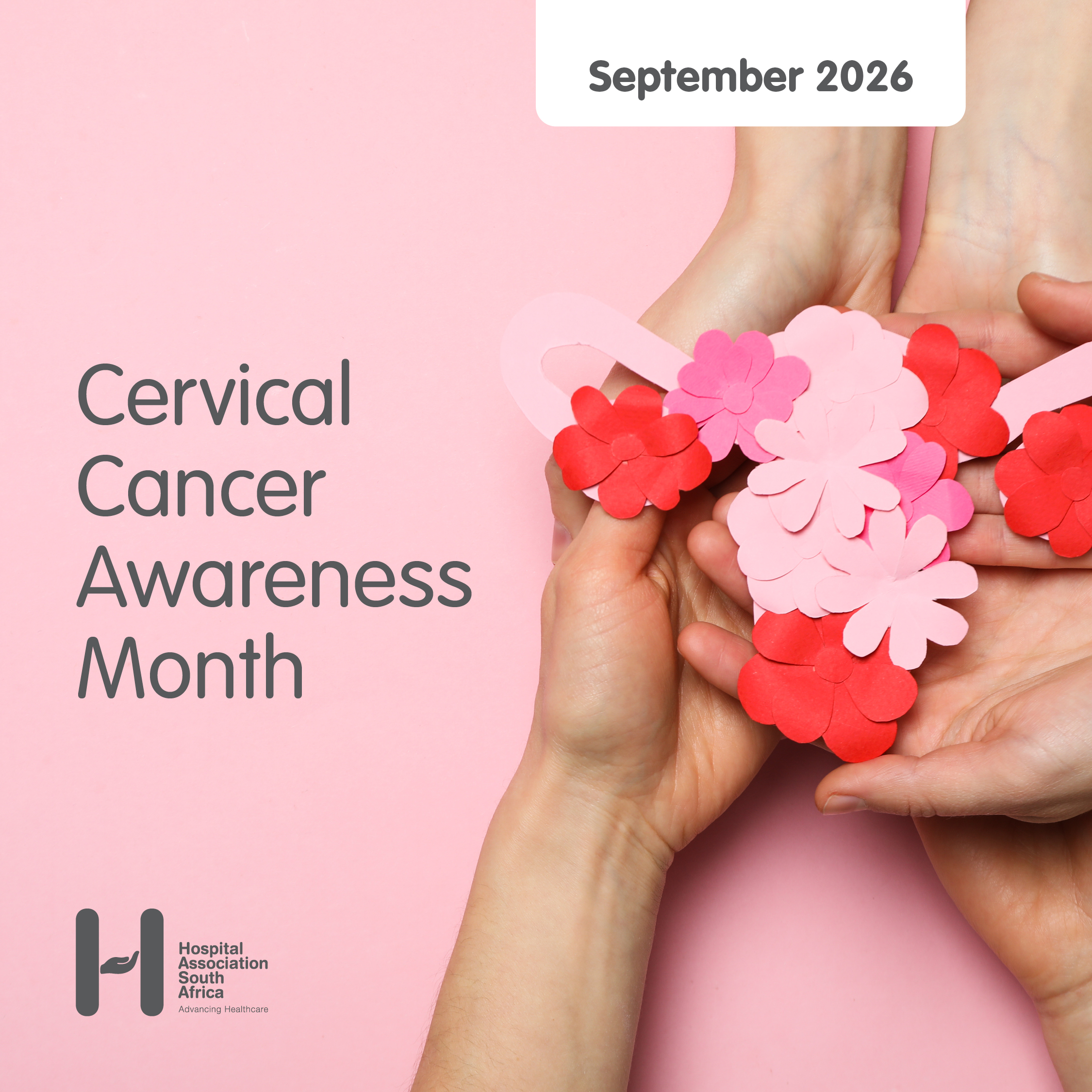
Knowledge and prevention can play an important role in protecting women's health. Cervical Cancer Awareness Month draws attention to screening, HPV vaccination and the importance of recognising potential health concerns early, helping women make informed choices about their wellbeing.
For people living with leukaemia and other serious blood disorders, finding a suitable stem cell donor can offer an important chance for treatment and recovery. This awareness month highlights the need for donor registration while encouraging greater understanding of stem cell donation and its potential to change lives.
Albinism is more than a difference in appearance. Albinism Awareness Month encourages greater understanding of the condition, challenges harmful misconceptions and promotes a world where people with albinism can access healthcare, education and opportunities without discrimination.
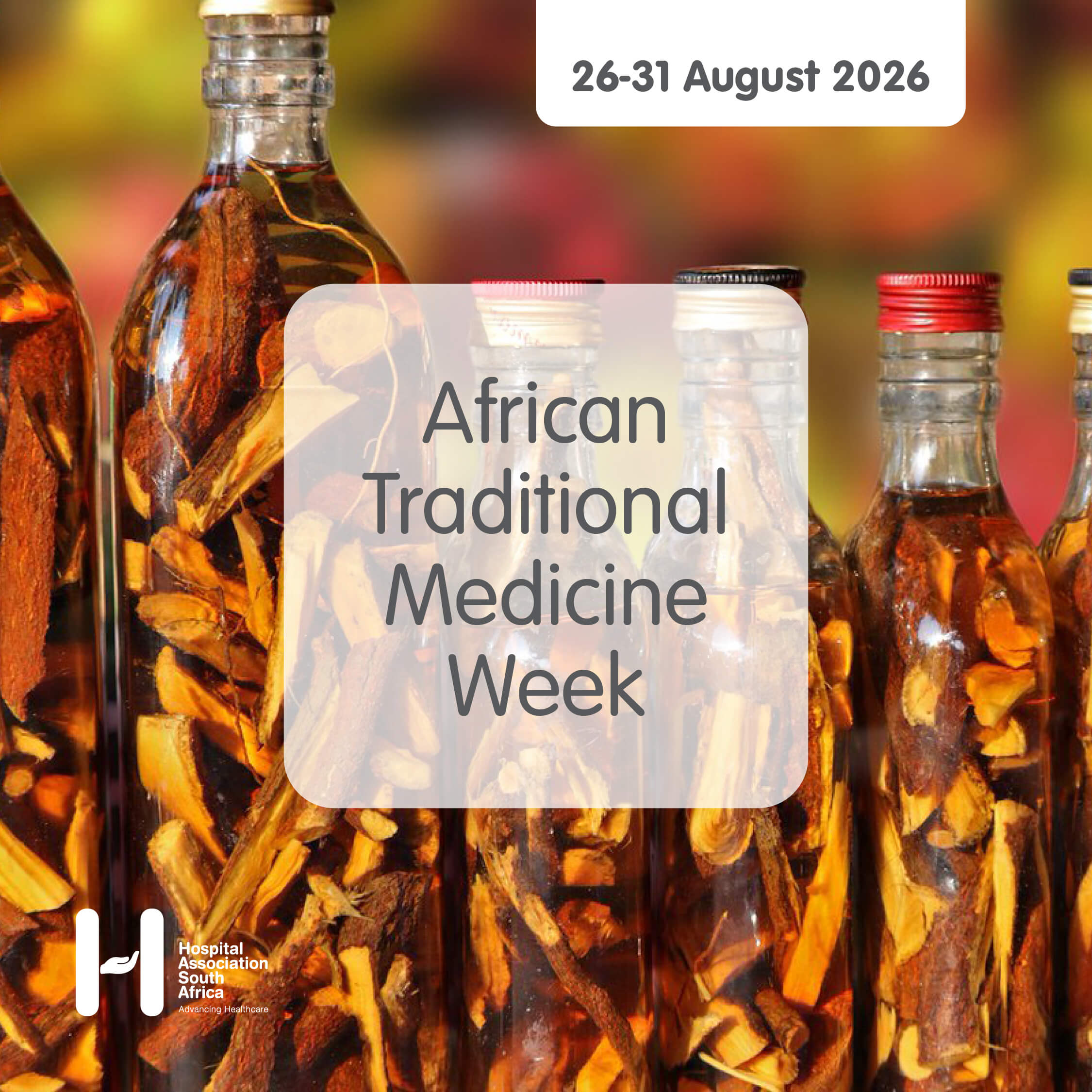
For generations, traditional medicine has played an important role in the health and wellbeing of many African communities. This week recognises its contribution while encouraging safe, informed and integrated healthcare practices.
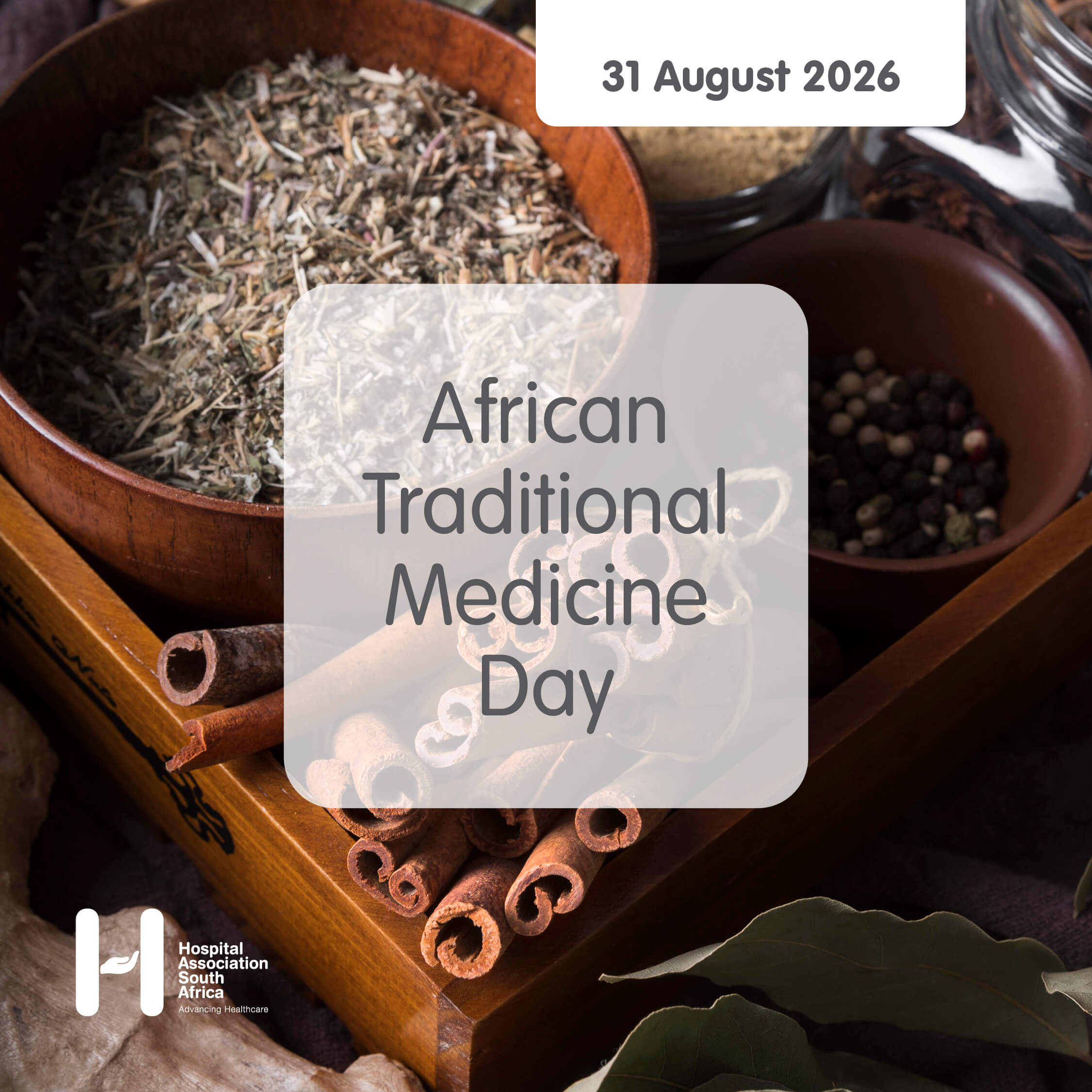
African Traditional Medicine Day celebrates the knowledge, practices and cultural heritage that continue to support healthcare across the continent while recognising the value of collaboration between traditional and modern medicine.
A simple sore throat should never become a lifelong heart condition. This awareness week highlights the importance of early diagnosis and treatment to help prevent rheumatic fever and rheumatic heart disease.
Living with muscular dystrophy brings unique challenges, but greater understanding helps build stronger support. This month raises awareness of the condition while promoting inclusion, research and improved quality of life.
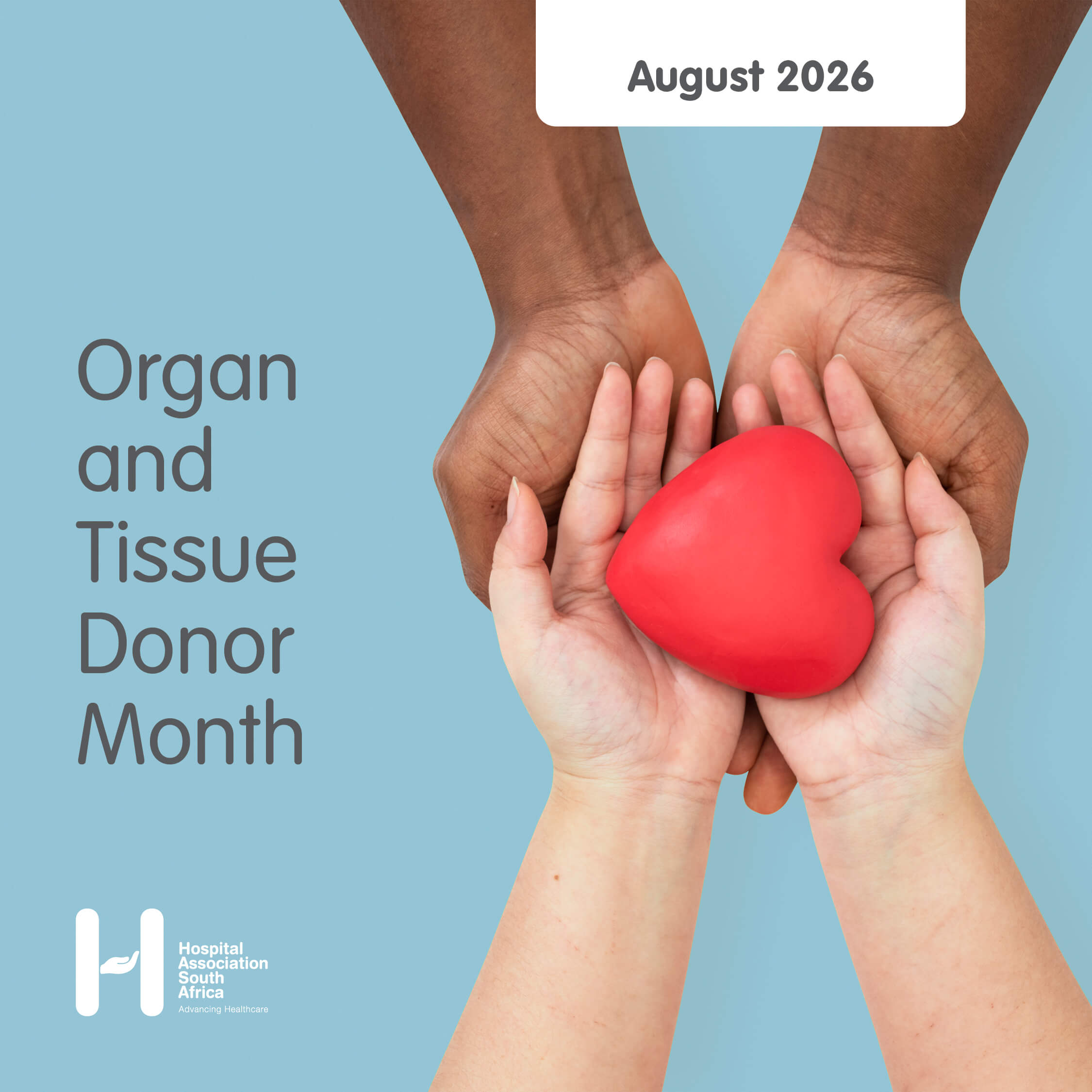
One decision can change the course of another person's life. Organ and Tissue Donor Month highlights the life changing impact of donation while encouraging conversations about giving the gift of hope to those waiting for a transplant.
Some of the world's most serious diseases begin with a mosquito bite. World Mosquito Day raises awareness of mosquito borne illnesses and the simple steps that help protect individuals and communities.
Young people bring fresh ideas, bold ambitions and the power to shape the future. International Youth Day celebrates their voices while encouraging greater investment in their health, education and wellbeing.
National Women's Day honours the courage of the women who marched for justice in 1956 while celebrating the women who continue to shape South Africa through leadership, compassion and resilience.
Prevention often begins long before illness appears. The HPV Vaccination Campaign highlights the importance of vaccination in protecting young people against HPV related diseases, including certain cancers.
A baby's first days are filled with moments of growth, comfort and connection. Breastfeeding is one of the earliest ways mothers can support their baby's health, providing essential nutrition while strengthening the bond that develops through care and closeness.
A healthy heart supports every moment of our lives. Heart Awareness Month encourages people to understand the risk factors for heart disease and adopt habits that protect their heart for years to come.
For many patients living with blood disorders, a matching stem cell donor offers hope when treatment options are limited. This awareness month encourages more people to learn about donation and the difference they could make.
Every woman has a story shaped by strength, resilience and determination. National Women's Month celebrates the contributions of women while highlighting the importance of health, equality and creating opportunities for every woman to thrive.
This day focuses on raising awareness of hepatitis prevention, testing and treatment. It highlights the importance of early diagnosis and access to healthcare services in reducing complications and improving long term health outcomes.
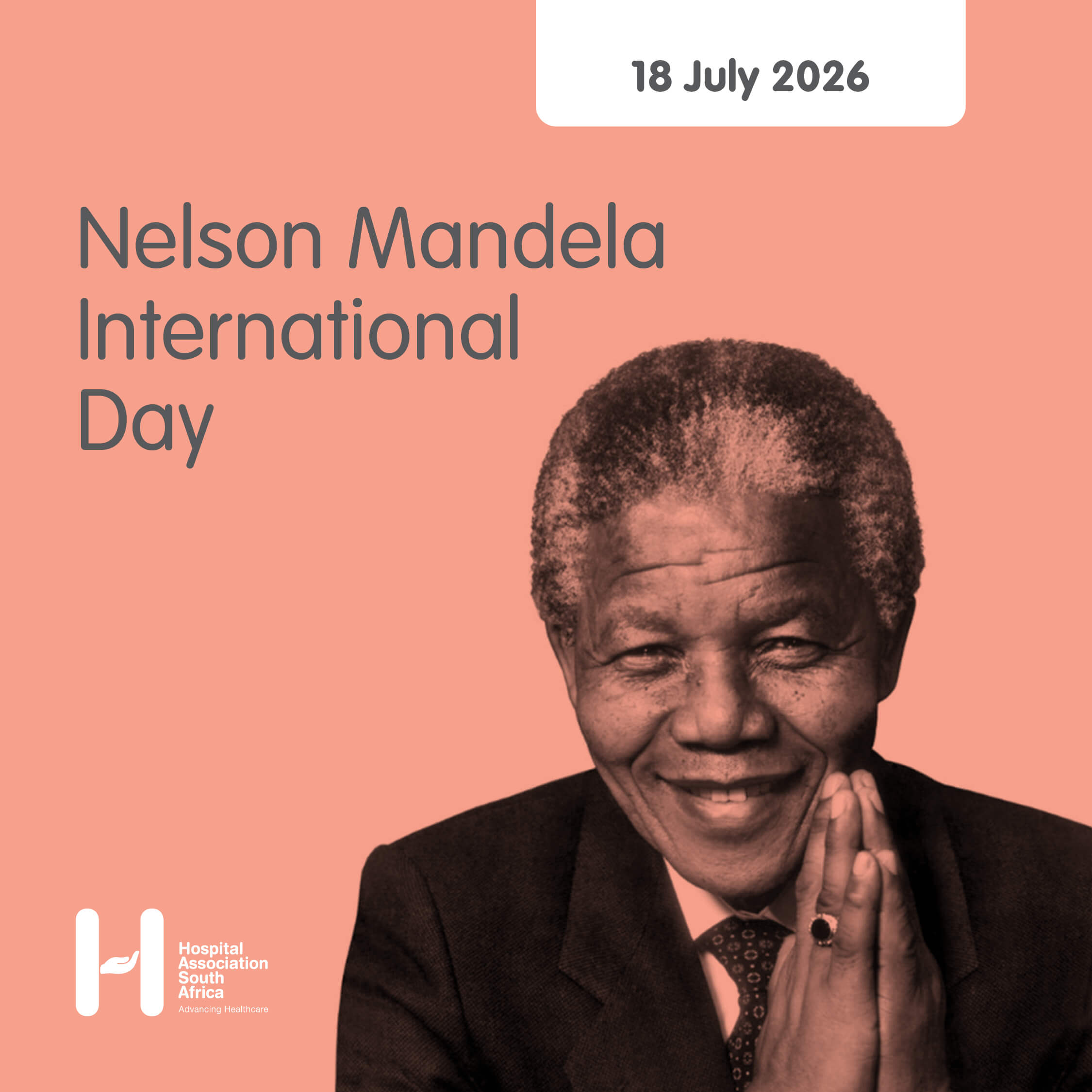
This day honours the legacy of Nelson Mandela and promotes values of service, dignity and compassion. It encourages individuals to dedicate time to community upliftment and meaningful action. In South Africa, the day also highlights the importance of supporting vulnerable groups and strengthening social responsibility.
This day raises awareness of population trends and their impact on healthcare systems, resources and community development. It highlights the importance of sustainable planning and equitable access to essential services. Understanding population growth helps support better decision making in areas such as healthcare delivery, infrastructure and social development.
This Week focuses on promoting healthier and more supportive workplace environments. It highlights the importance of work life balance, stress awareness and employee wellbeing. Encouraging positive workplace practices supports both mental and physical health, helping individuals perform better while maintaining overall wellness.
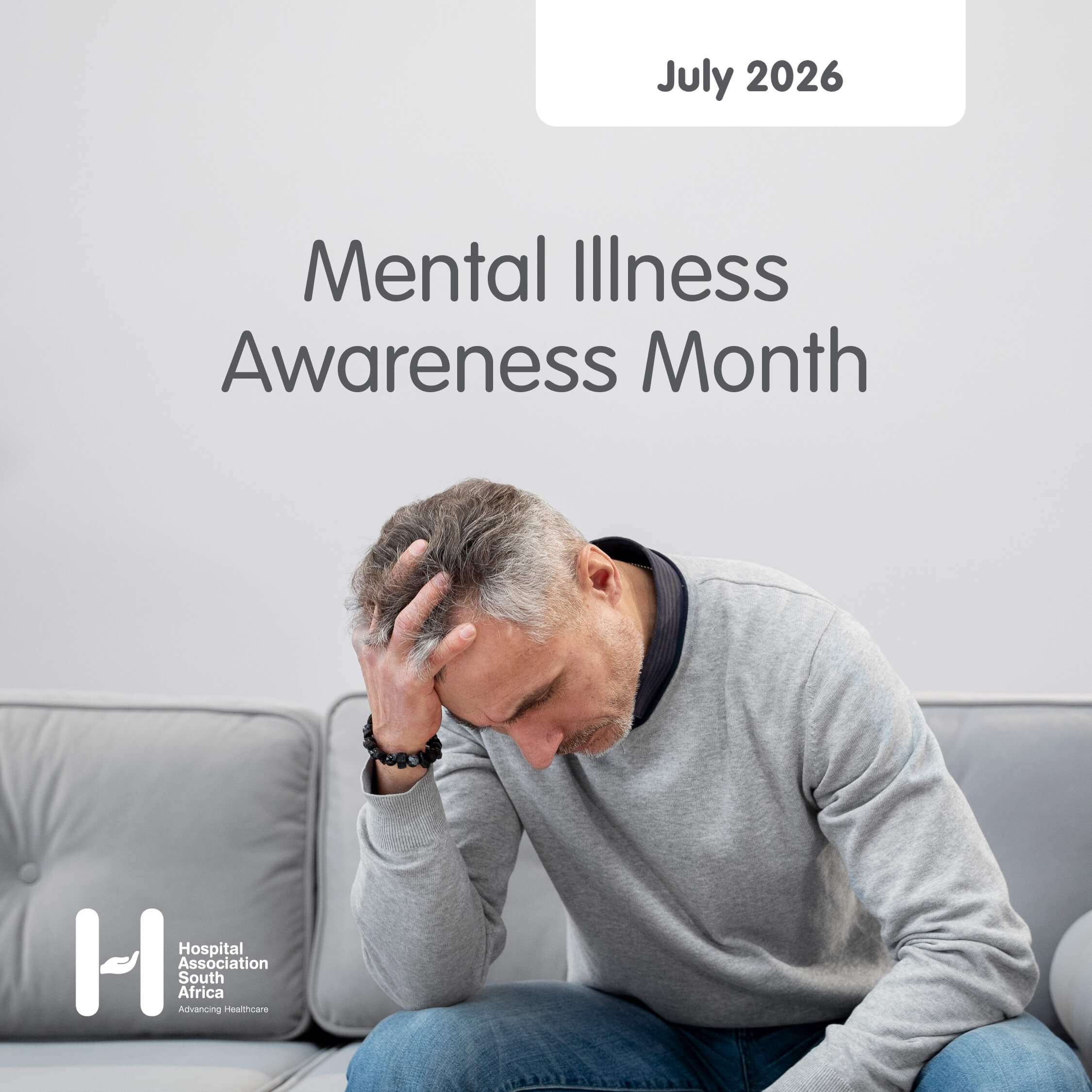
This month highlights the importance of mental health and emotional wellbeing. It encourages open conversations, helps reduce stigma around mental health conditions, and supports greater understanding of how mental health impacts daily life.
Building healthier communities begins with education, support and hope. This international observance highlights the importance of prevention, treatment and collective action in addressing substance misuse around the world.
Our skin tells a unique story, and no two stories are the same. World Vitiligo Day celebrates diversity while challenging misconceptions and encouraging greater understanding of the condition.
Every journey towards recovery begins with understanding. SANCA Drug Awareness Week promotes education, prevention and compassionate support for individuals, families and communities affected by substance misuse.
The courage shown by South Africa's youth helped shape the country's history. Youth Day honours that legacy while celebrating the young people who continue to shape its future.
Every older person deserves to age with dignity, respect and security. World Elder Abuse Awareness Day encourages communities to recognise, prevent and speak out against abuse in all its forms.
Some of the greatest acts of kindness happen quietly. World Blood Donor Day honours the people whose donations help save lives and reminds us that one small act can make an extraordinary difference.
Behind every survivor is a story of courage, determination and hope. National Cancer Survivors Day celebrates those living with and beyond cancer while recognising the support that helps make every milestone possible.
Every meal tells a story that begins long before it reaches the table. World Food Safety Day highlights the journey of our food and the shared responsibility of keeping it safe from production to consumption.
The health of our environment shapes the health of our communities. Clean air, safe water and thriving natural spaces all play a part in protecting our wellbeing and creating healthier futures.
Our hearts keep time with every moment of our lives, yet many people don't realise when that rhythm changes. World Heart Rhythm Week encourages greater awareness of heart rhythm disorders and the importance of early diagnosis.
Every child deserves more than a birthday to celebrate. They deserve the chance to grow up healthy, safe and supported. International Children's Day reminds us that investing in children is an investment in the future.
Today's young people are tomorrow's leaders, innovators and healthcare professionals. National Youth Month celebrates their potential while recognising the importance of creating opportunities for every young person to thrive.
Every blood donation begins with one person choosing to help another. National Blood Donor Month celebrates the generosity of donors while highlighting the ongoing need for safe blood supplies that support patients every day.
Sometimes the strongest thing a person can do is ask for help or book the appointment they've been putting off. Men's Health Month reminds us that prevention, early detection and honest conversations can have a lasting impact on health and wellbeing.
World No Tobacco Day highlights the health risks associated with tobacco use and the importance of protecting people from tobacco related harm. It provides an opportunity to consider the impact of tobacco and encourage healthier choices.
Women's health deserves attention throughout every stage of life. International Day of Action for Women's Health highlights the importance of access to appropriate healthcare, reliable information and the ability to make informed decisions about women's health and wellbeing.
Every child deserves to grow up in a safe, supportive environment. Child Protection Week raises awareness of children's rights, safety and wellbeing while encouraging communities to recognise and respond to situations where children may be at risk.
Accessibility allows people with different abilities to participate more fully in everyday life. Global Accessibility Awareness Day encourages greater understanding of accessibility and highlights the importance of removing barriers to information, services, technology and healthcare.
High blood pressure often has no obvious symptoms, yet it can increase the risk of serious health problems. World Hypertension Day encourages people to understand their blood pressure, recognise risk factors and make regular health checks part of their routine.
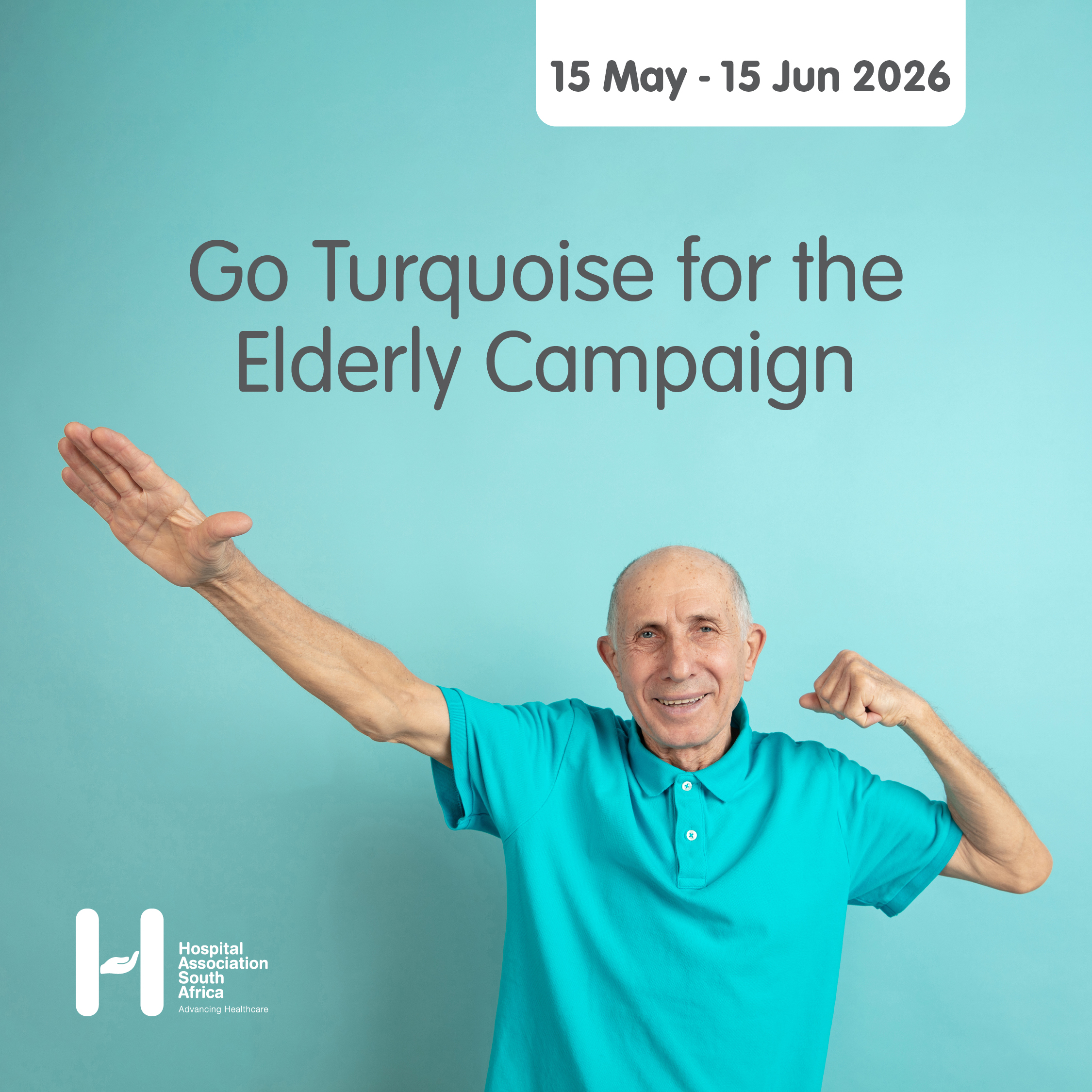
Older people deserve to feel valued, respected and supported within their communities. The Go Turquoise for the Elderly Campaign raises awareness of the needs and wellbeing of older people while encouraging greater respect, care and inclusion.
Consuming too much salt can contribute to high blood pressure and increase the risk of cardiovascular and other health problems. World Salt Awareness Week encourages people to understand their salt intake and make informed choices about the foods they eat.
Nurses play an essential role across healthcare, from providing direct patient care to supporting education, recovery and long term health management. International Nurses Day recognises their contribution and the difference they make to patients, families and communities.
Chronic immunological and neurological diseases can affect people in complex and sometimes invisible ways. This awareness day encourages greater understanding of these conditions while highlighting the importance of appropriate healthcare, support and inclusion.
Regular movement can contribute to physical and mental wellbeing at every stage of life. Global Move for Health Day encourages people to find safe and enjoyable ways to stay active and make movement part of their everyday routine.
The Red Cross and Red Crescent Movement supports communities affected by emergencies, disasters and humanitarian crises. World Red Cross Day recognises the people who provide assistance and highlights the importance of humanitarian action.
Burn prevention starts with understanding everyday risks. National Burns Awareness Week encourages greater awareness of common causes of burns and the importance of knowing how to respond when an injury occurs.
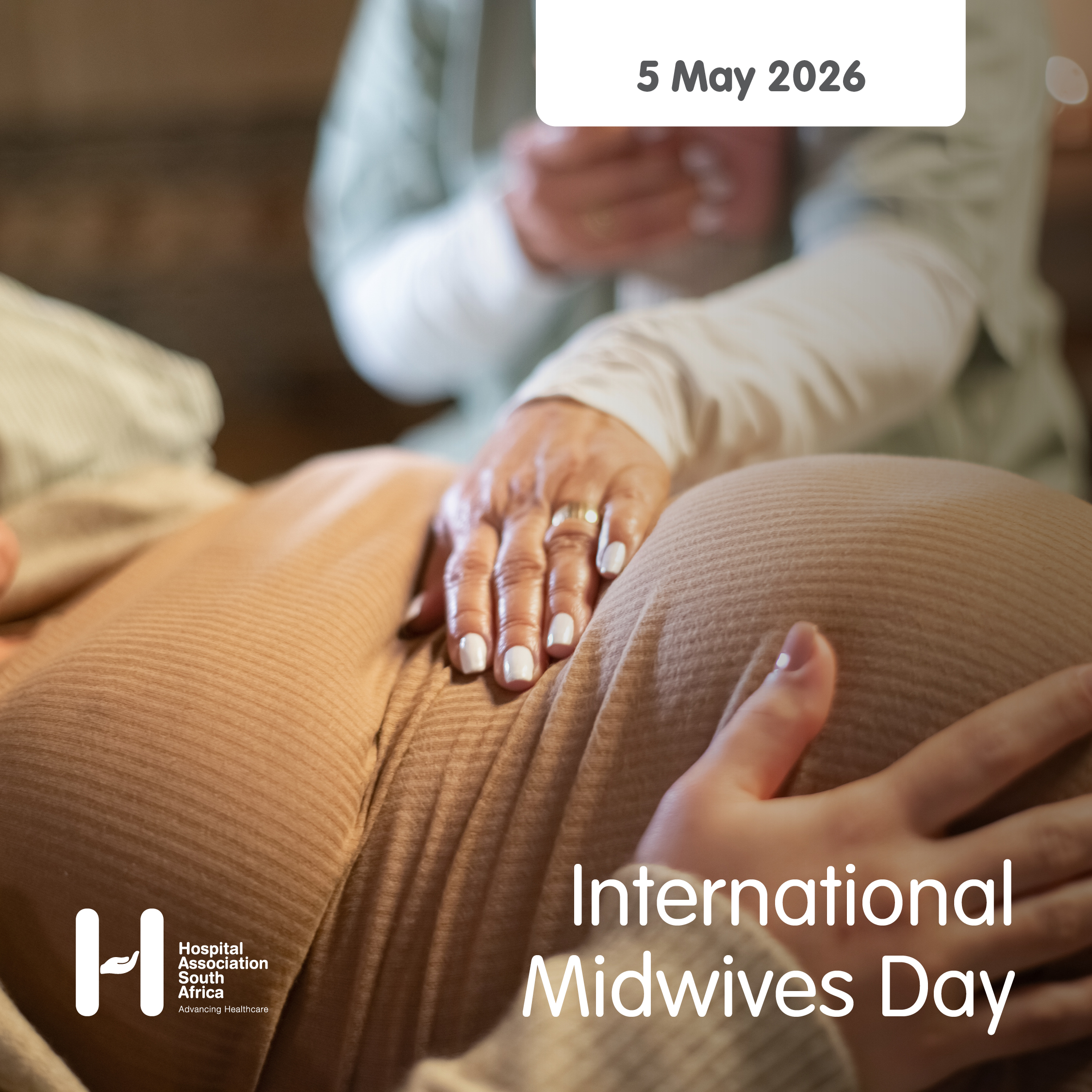
Midwives play an important role in supporting women throughout pregnancy, childbirth and the postnatal period. International Midwives Day recognises their contribution to safe, respectful and supportive maternity care.
Clean hands are one of the simplest ways to help prevent the spread of infections. World Hand Hygiene Day highlights the importance of effective hand hygiene in healthcare settings and everyday life.
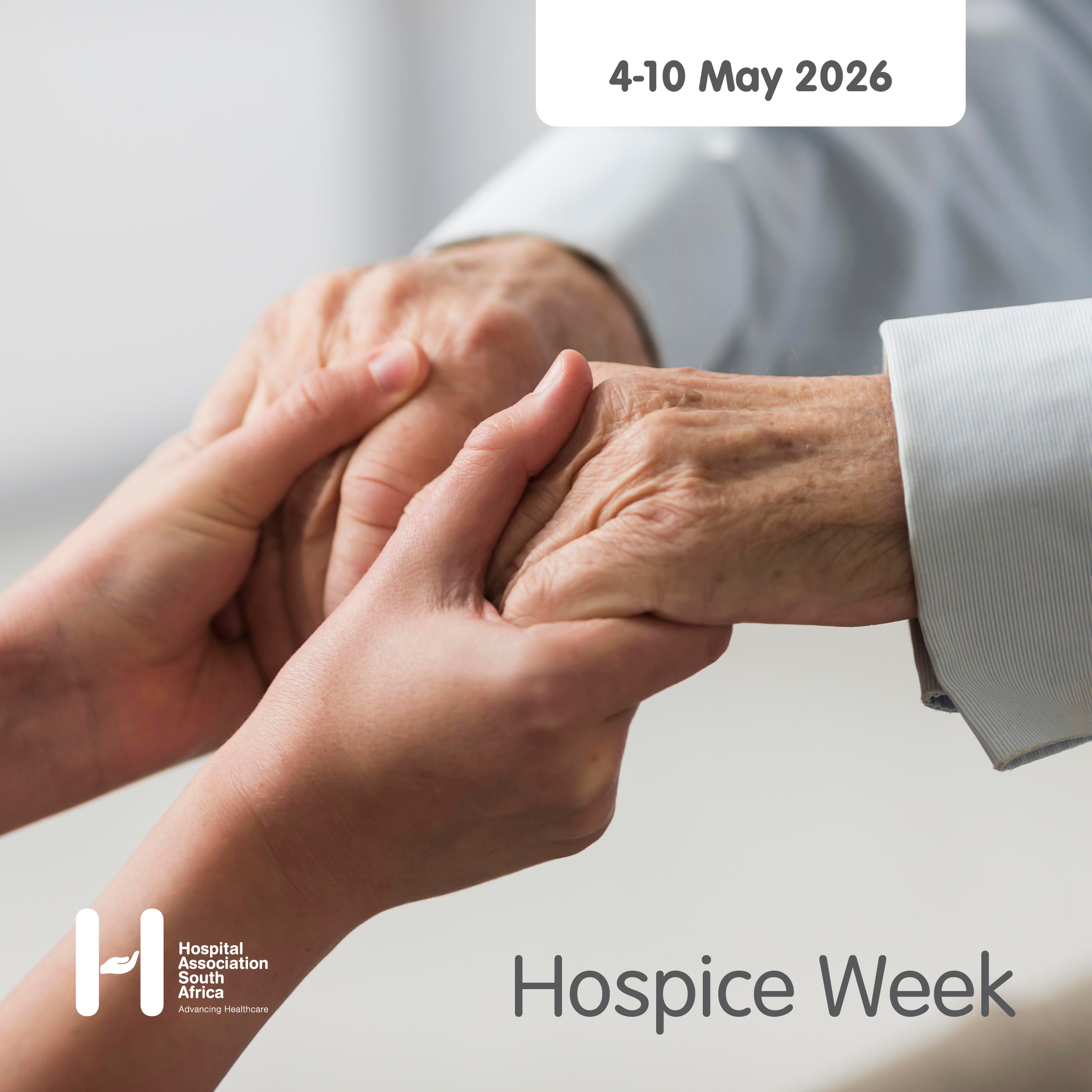
Hospice care focuses on comfort, dignity and quality of life for people living with serious or life limiting illnesses. Hospice Week raises awareness of the support available to patients and their families throughout their healthcare journey.
Multiple sclerosis can affect the nervous system in different ways, with symptoms and experiences varying from person to person. International Multiple Sclerosis Month promotes greater understanding of the condition while highlighting the importance of support, appropriate care and inclusion.
Burns can happen quickly and may have lasting physical and emotional effects. Burns Awareness Month highlights the importance of prevention, knowing how to respond to burns and understanding when professional medical care is needed.
Tobacco use can have serious effects on almost every part of the body. No Tobacco Awareness Month encourages people to understand the risks of tobacco use and consider steps towards protecting their health and reducing exposure to tobacco smoke.
Malaria remains an important public health concern in parts of South Africa and across the African continent. World Malaria Day highlights the importance of prevention, early recognition and prompt treatment while supporting continued efforts to reduce the impact of malaria.
Vaccination plays an important role in protecting individuals and communities from vaccine preventable diseases. African Vaccination Week encourages people to understand the benefits of immunisation, address common misconceptions and make sure vaccinations are kept up to date.
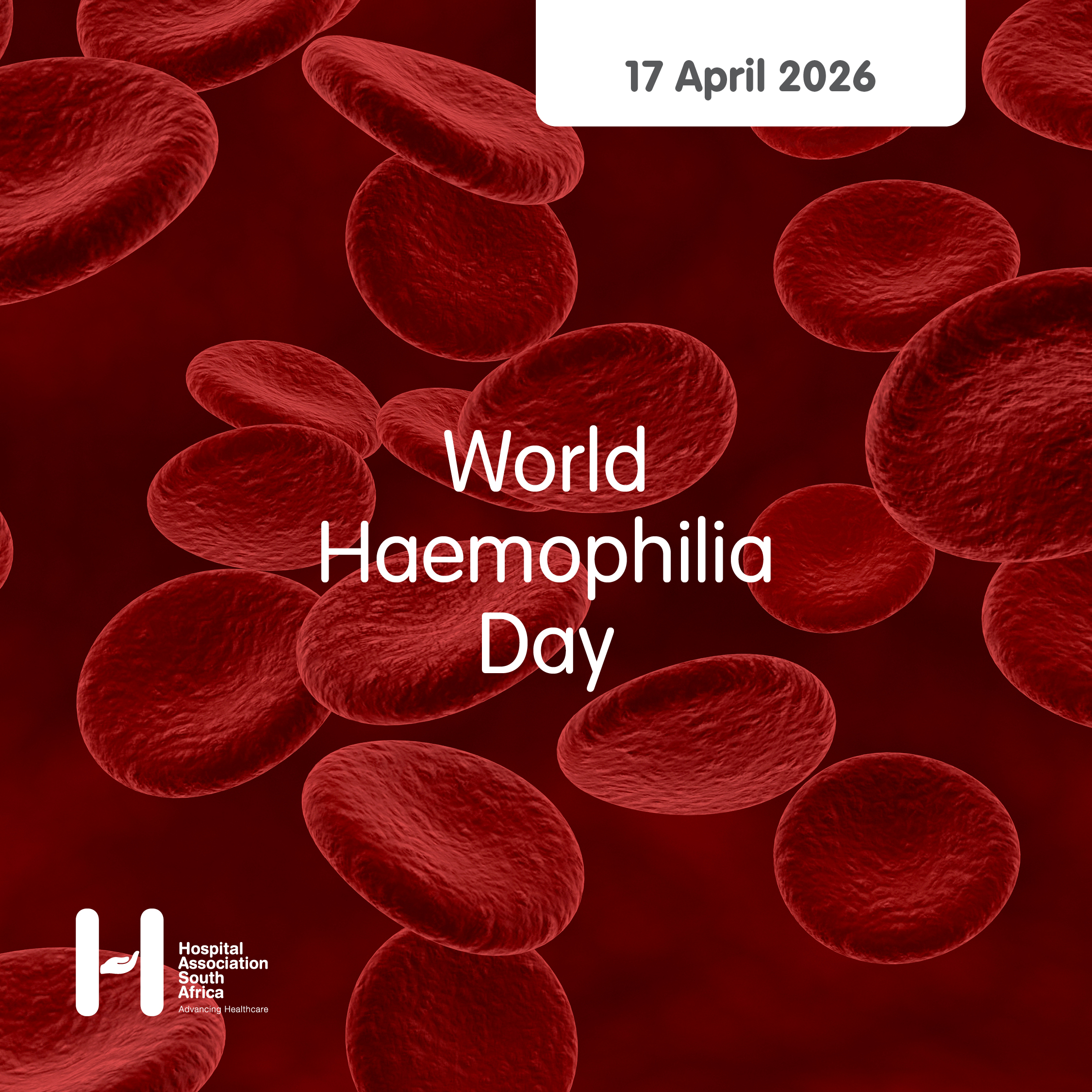
Haemophilia is an inherited bleeding disorder that can cause prolonged or spontaneous bleeding because the blood does not clot properly. World Haemophilia Day raises awareness of haemophilia and other inherited bleeding disorders while highlighting the importance of diagnosis, treatment and access to appropriate care.
Health affects every part of our lives, from our physical wellbeing to our ability to learn, work and participate in our communities. World Health Day provides an opportunity to reflect on important health issues and consider how individuals, communities and healthcare systems can contribute to better health for all.
Autism is a lifelong neurodevelopmental condition that can affect communication, interaction, sensory processing and behaviour in different ways. World Autism Awareness Day encourages greater understanding, acceptance and inclusion while challenging misconceptions about autistic people.
April provides an opportunity to focus on health awareness more broadly, encouraging people to learn more about important health concerns, recognise potential risks and take an active role in their wellbeing. The month's awareness dates cover topics ranging from autism and haemophilia to vaccination and malaria prevention.
Doctors play an important role in diagnosing, treating and managing health conditions while supporting patients throughout different stages of their healthcare journey. International Doctors Day provides an opportunity to recognise their contribution and the wider role of medical professionals in healthcare.
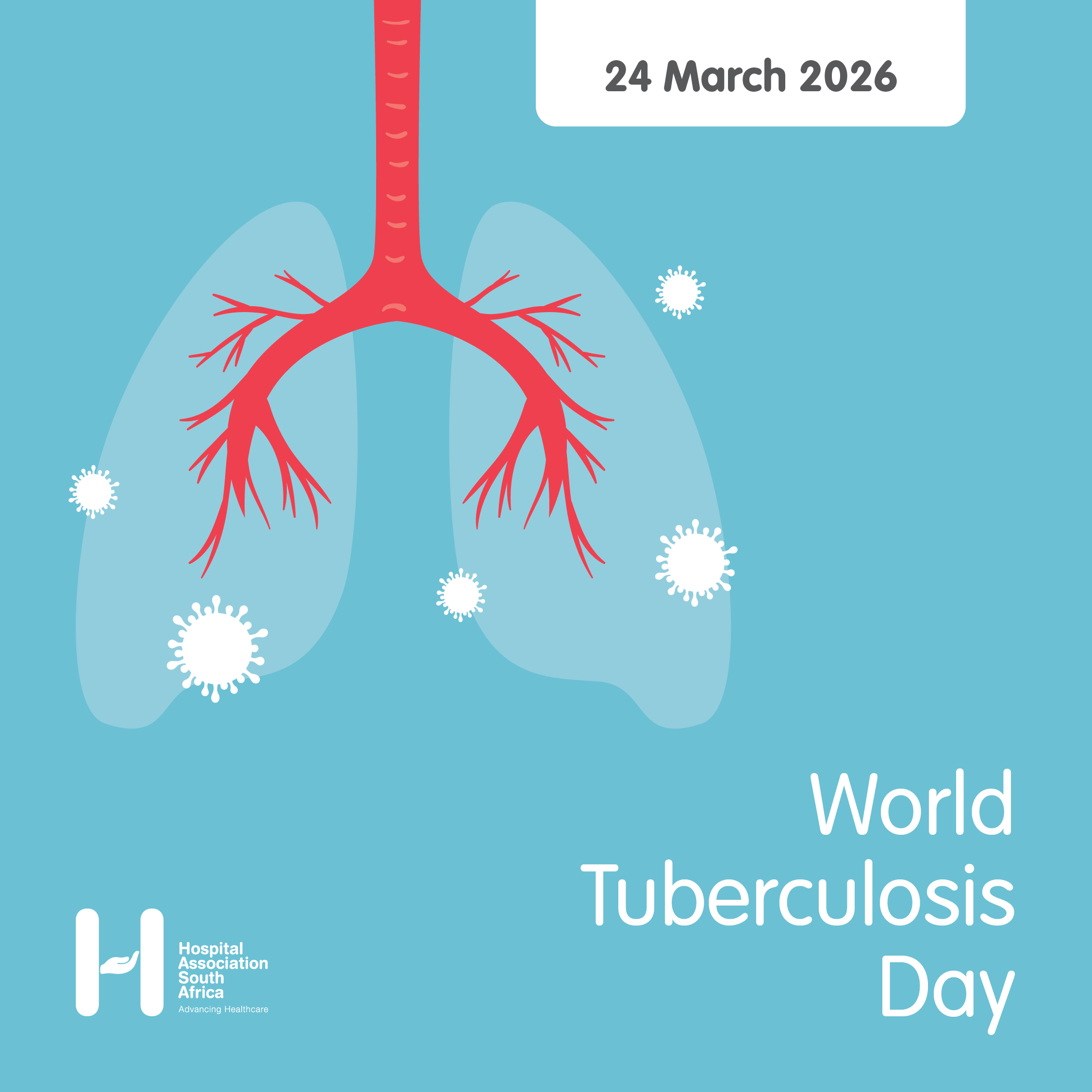
World Tuberculosis Day brings the wider message of Tuberculosis Awareness Month into focus. It raises awareness of the ongoing impact of TB and encourages continued action towards prevention, early diagnosis, effective treatment and ending TB as a public health threat.
World Optometry Day forms part of World Optometry Week and recognises the role optometrists play in supporting eye health and vision. It encourages people to take their eye health seriously and seek professional advice when they notice changes in their vision.
Healthy vision supports learning, work, independence and everyday life. World Optometry Week highlights the role of optometry in protecting eye health, identifying vision problems and supporting people to maintain healthy sight.
Health is a fundamental part of living with dignity and participating fully in society. Human Rights Day provides an opportunity to recognise the connection between human rights and access to healthcare, equality, inclusion and respectful treatment for everyone.
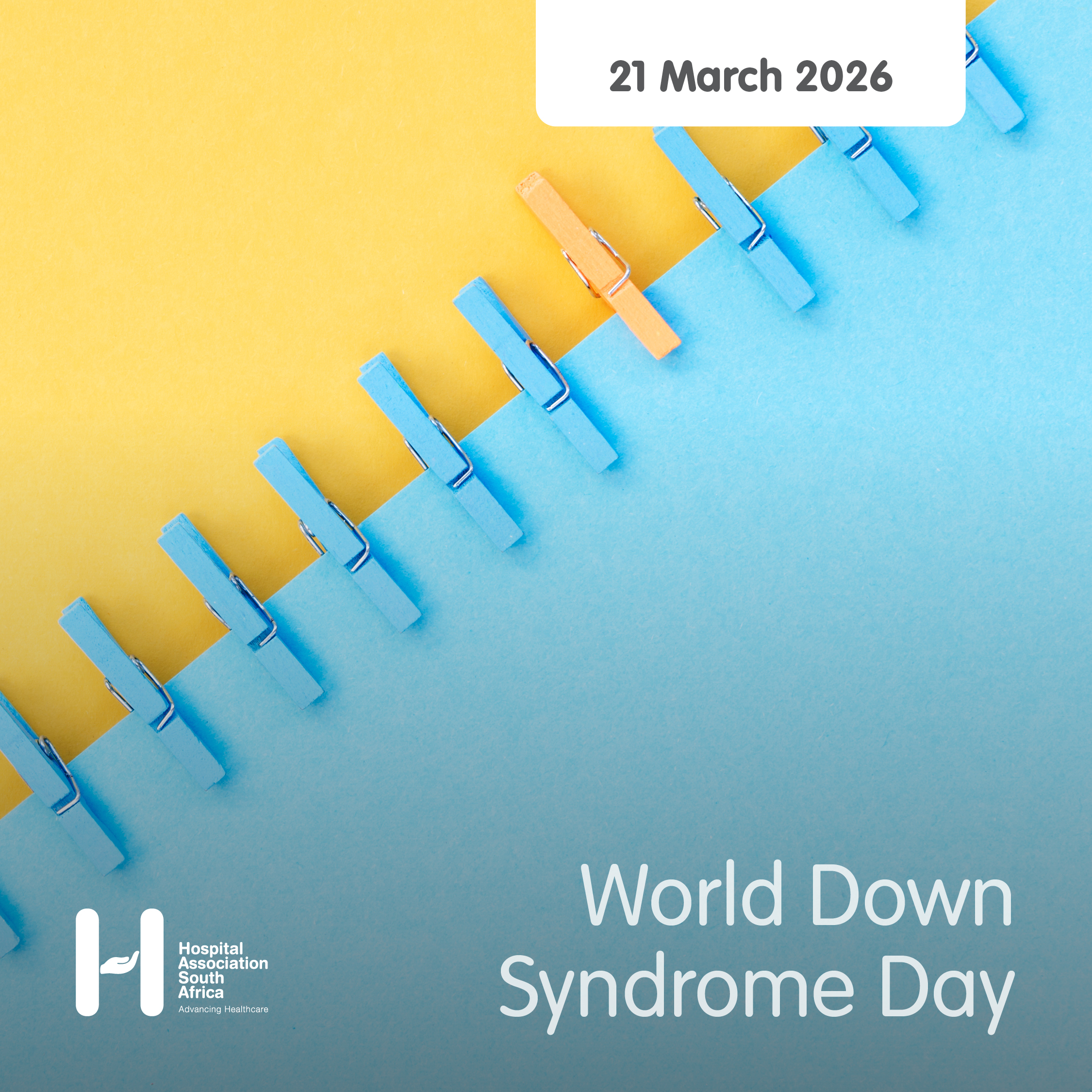
Down syndrome is a genetic condition that can influence development, learning and health in different ways. World Down Syndrome Day promotes understanding, inclusion and respect while recognising the abilities, individuality and contributions of people with Down syndrome.
Head injuries can range from minor injuries to serious trauma that requires urgent medical attention. World Head Injury Awareness Day highlights the importance of preventing head injuries, recognising warning signs and seeking appropriate medical care when an injury occurs.
The kidneys perform essential functions that help remove waste and maintain the body's balance of fluids and minerals. World Kidney Day encourages people to understand kidney health, recognise risk factors and take steps towards protecting kidney function.
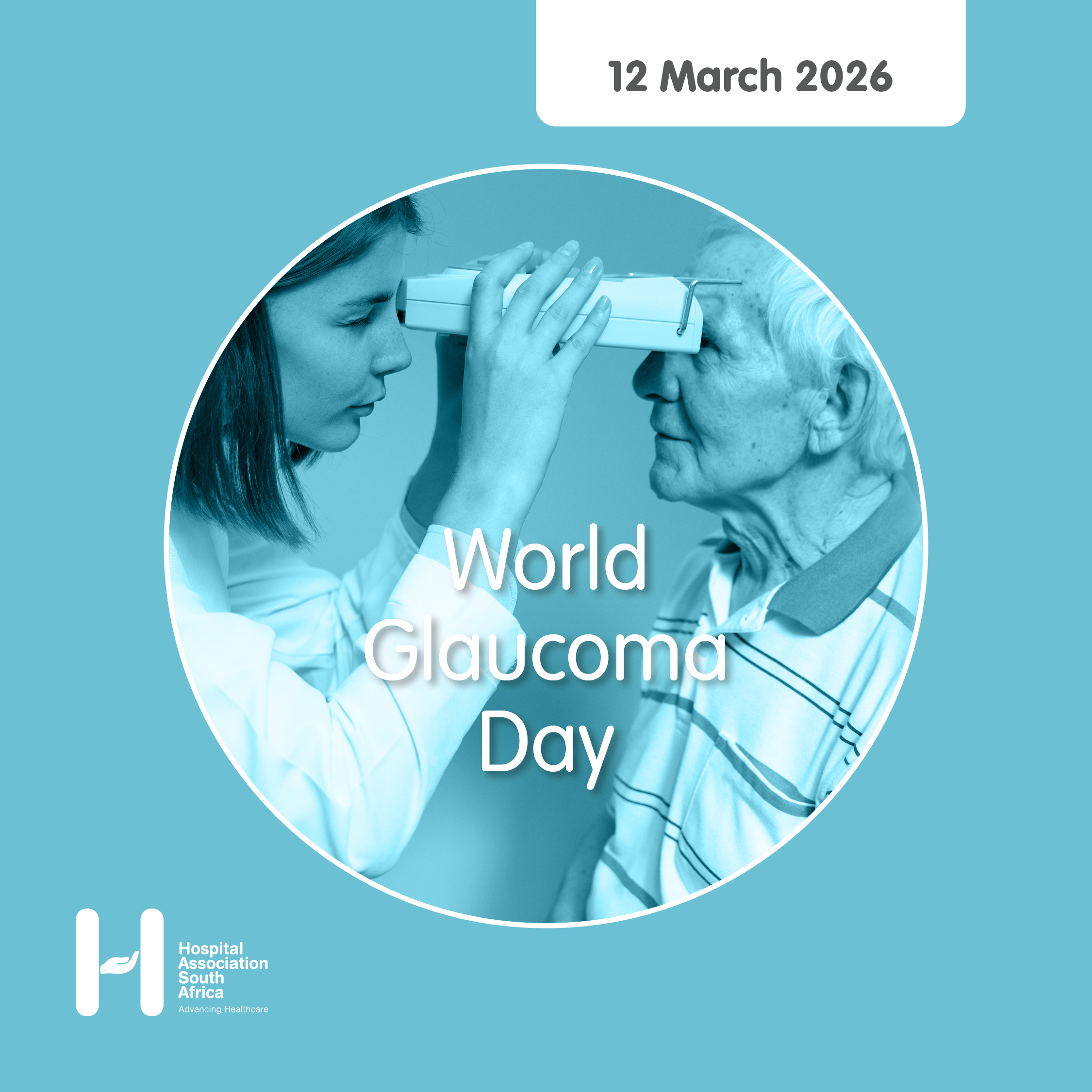
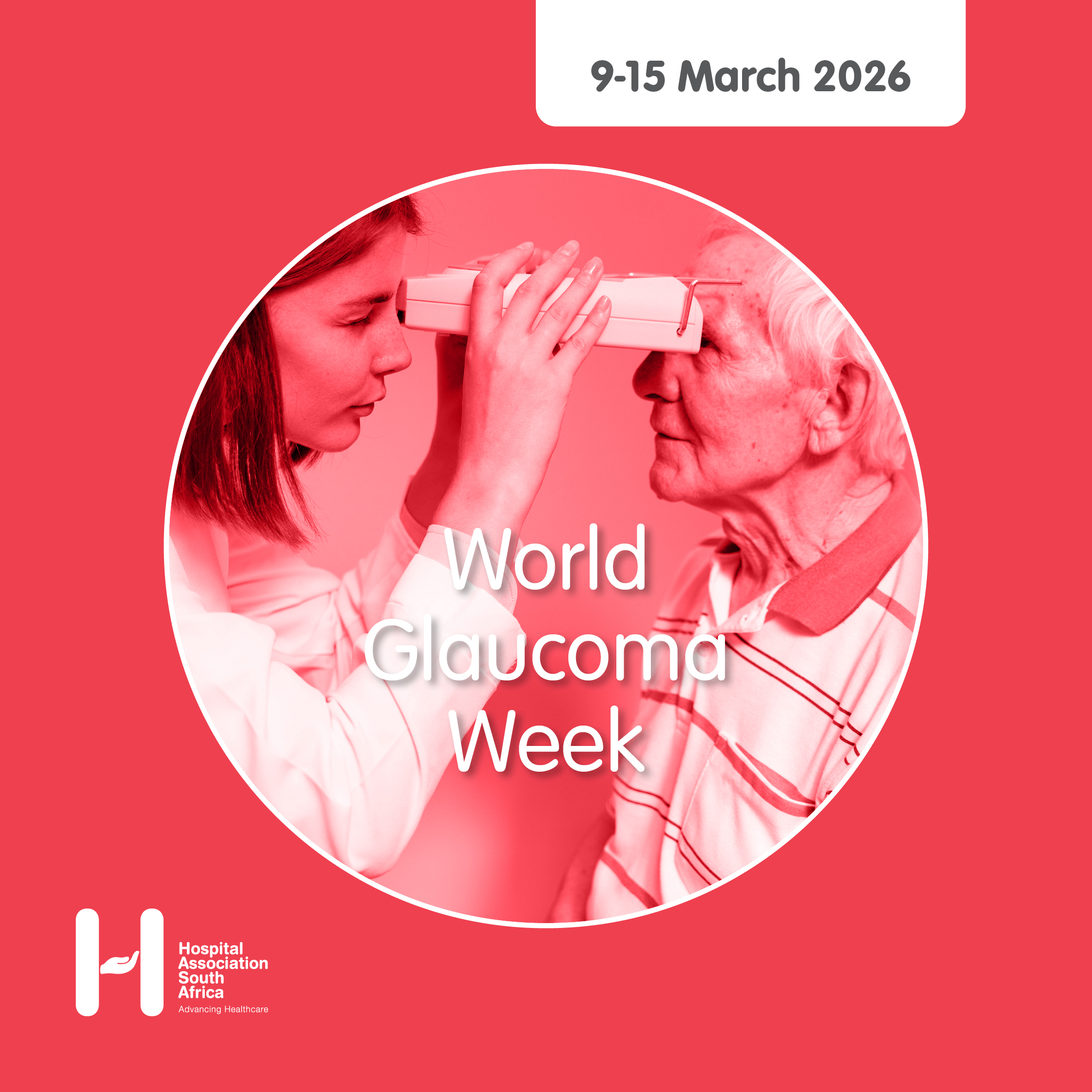
World Glaucoma Day is observed on 12 March as part of World Glaucoma Week. It provides an opportunity to focus on the risks associated with glaucoma, encourage people to understand their individual risk factors and remind them that early detection can help protect their sight.
Glaucoma can gradually damage the optic nerve and may cause permanent vision loss if it is not identified and managed. World Glaucoma Week highlights the importance of regular eye examinations and early detection, particularly because glaucoma may not cause noticeable symptoms in its early stages. The week includes World Glaucoma Day on 12 March, which places a specific focus on glaucoma awareness and the importance of protecting vision.
Women's health is shaped by different needs and challenges throughout every stage of life. International Women's Day provides an opportunity to recognise the importance of equitable access to healthcare, education and opportunities while supporting women's health and wellbeing.
Obesity is a complex health condition influenced by a combination of genetic, environmental, social and lifestyle factors. World Obesity Day encourages greater understanding of obesity while promoting healthier environments, prevention and appropriate support without stigma or judgement.
Birth defects can affect a child's health and development in different ways. World Birth Defects Day raises awareness of congenital conditions while highlighting prevention, early identification, appropriate healthcare and support for children and families.
Hearing plays an important role in communication, learning and connection. World Hearing Day raises awareness of hearing loss and the importance of preventing avoidable hearing problems, identifying concerns early and ensuring people have access to appropriate hearing care.
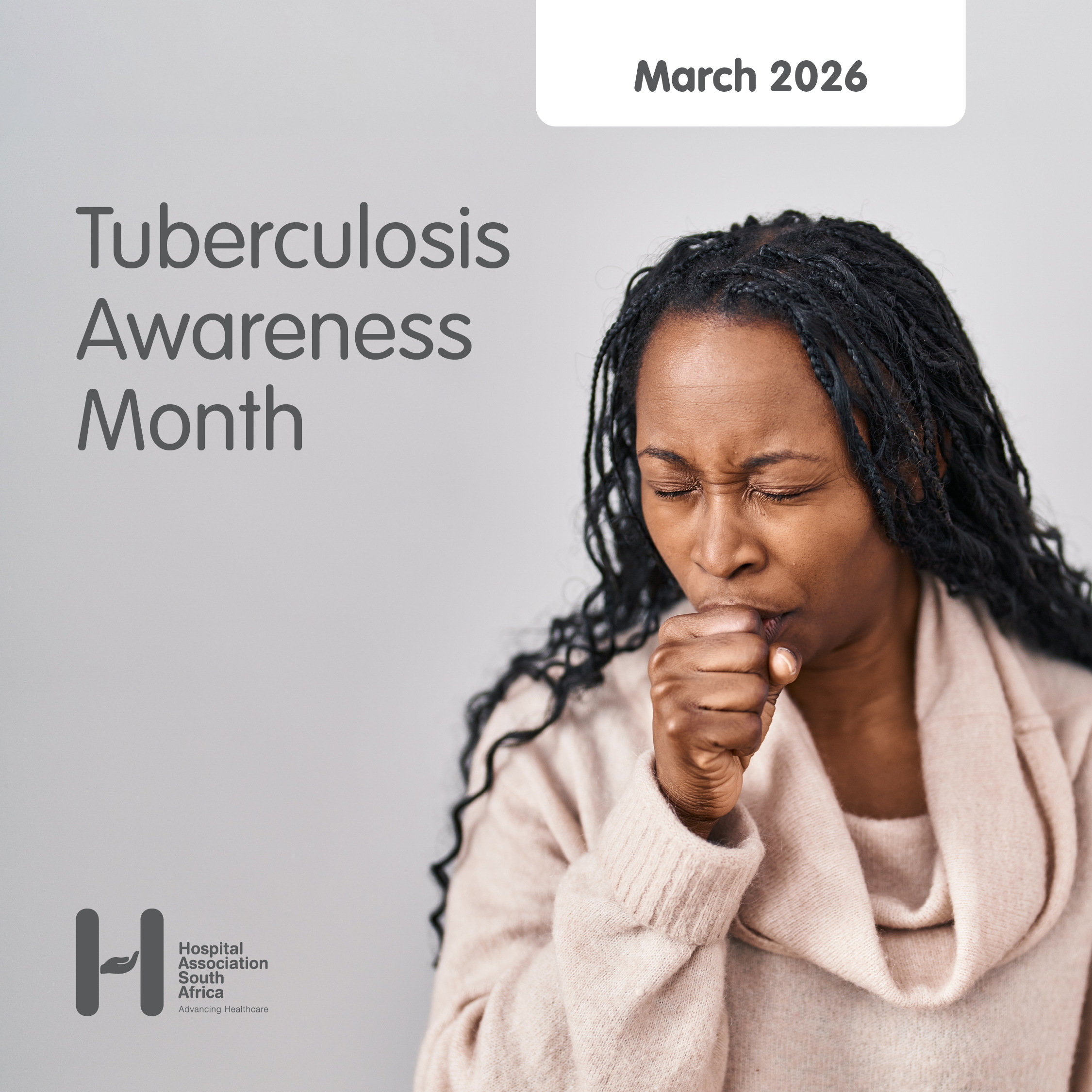
Tuberculosis remains an important public health concern in South Africa and around the world. Tuberculosis Awareness Month encourages people to understand how TB spreads, recognise possible symptoms, seek testing when needed and understand why completing treatment is so important.
Healthy Lifestyle Awareness Day provides a moment to bring the wider message of Healthy Lifestyle Awareness Month into focus. It is a reminder that looking after your health can involve simple, sustainable choices rather than trying to change everything at once.
Following International Epilepsy Day on 9 February, National Epilepsy Week continues the conversation around epilepsy and the realities of living with seizures. Greater awareness can help reduce stigma and make it easier for people with epilepsy to feel understood and supported.
Epilepsy is a neurological condition that can affect people in very different ways. International Epilepsy Day helps challenge the misconceptions surrounding seizures and epilepsy while encouraging greater understanding and support for people living with the condition.
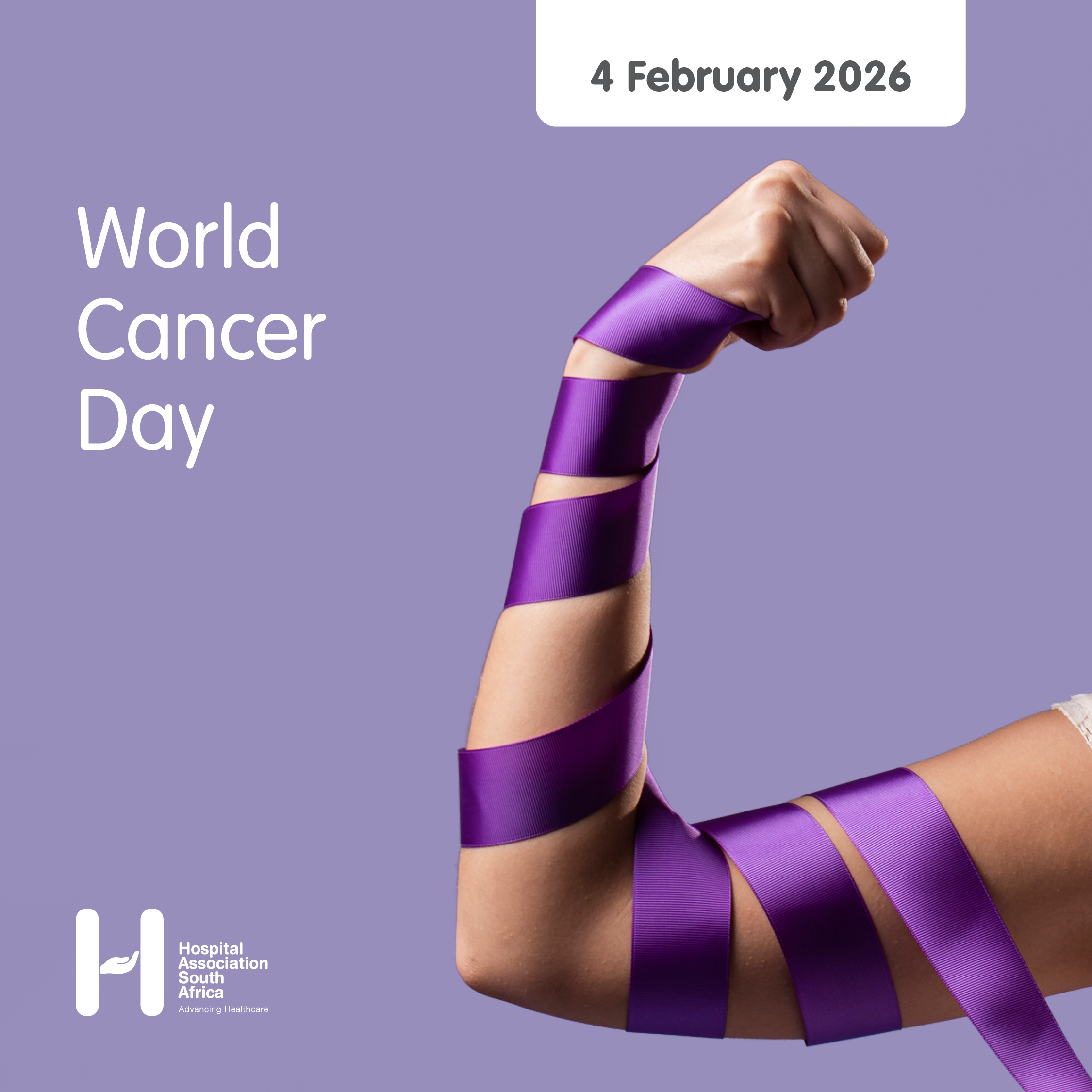
Cancer affects millions of people worldwide and can take many different forms. World Cancer Day brings attention to prevention, early detection, treatment and support while reminding us that understanding the signs and knowing when to seek medical advice can make a difference.
Pregnancy comes with plenty of questions, whether someone is expecting their first baby or preparing for another. Pregnancy Education Week encourages people to seek reliable information about pregnancy, antenatal care and preparing for the changes that come with having a baby.
Sexual health is easier to protect when people have access to clear information and feel comfortable asking questions. STIs/Condom Week focuses on preventing sexually transmitted infections, encouraging testing and treatment, and highlighting the role condoms can play in reducing the spread of many STIs.
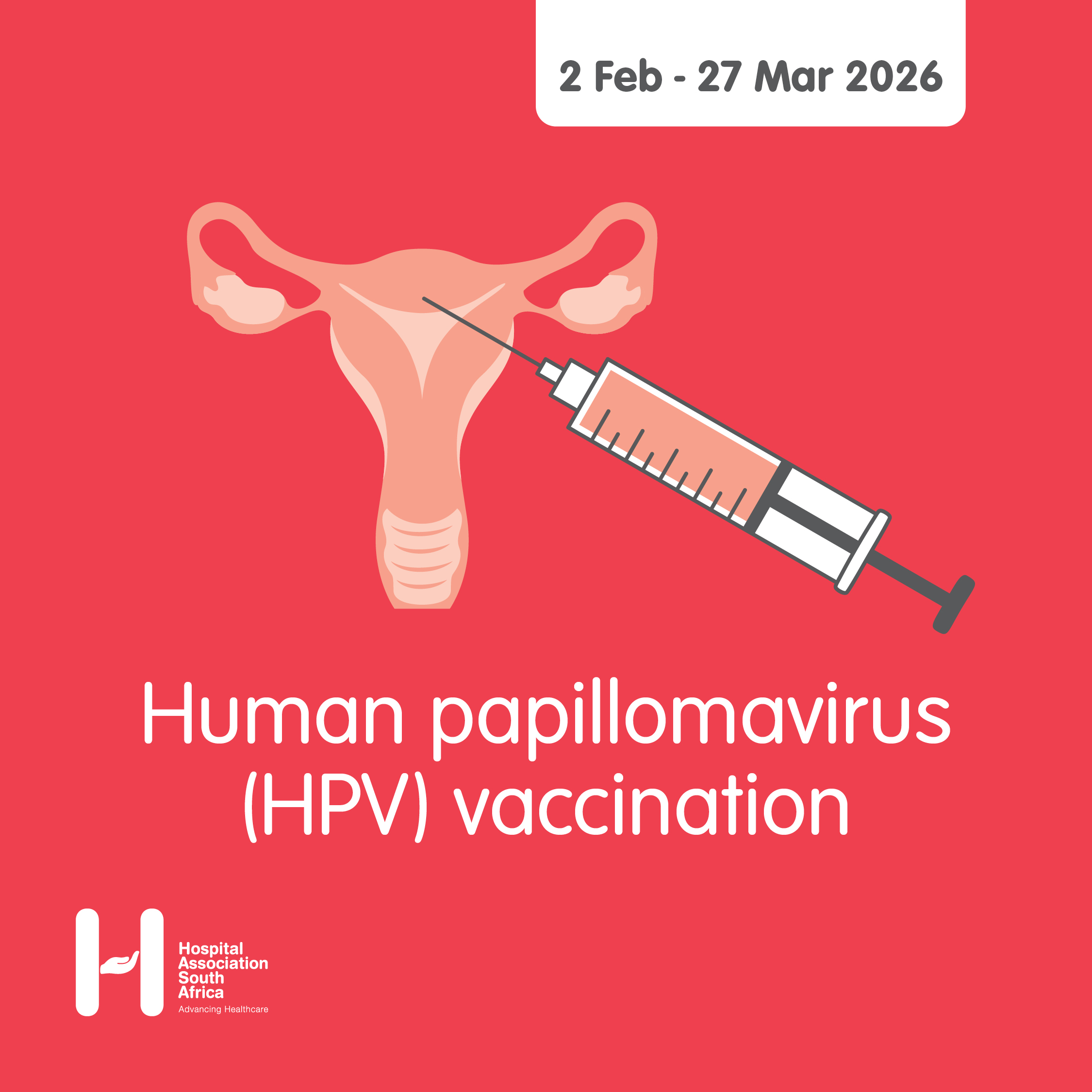
Human papillomavirus, or HPV, is a common infection that can sometimes lead to certain cancers, including cervical cancer. The HPV vaccination campaign highlights the importance of vaccination as one way of reducing the risk of HPV related cancers and encourages eligible people to make use of available vaccination opportunities.
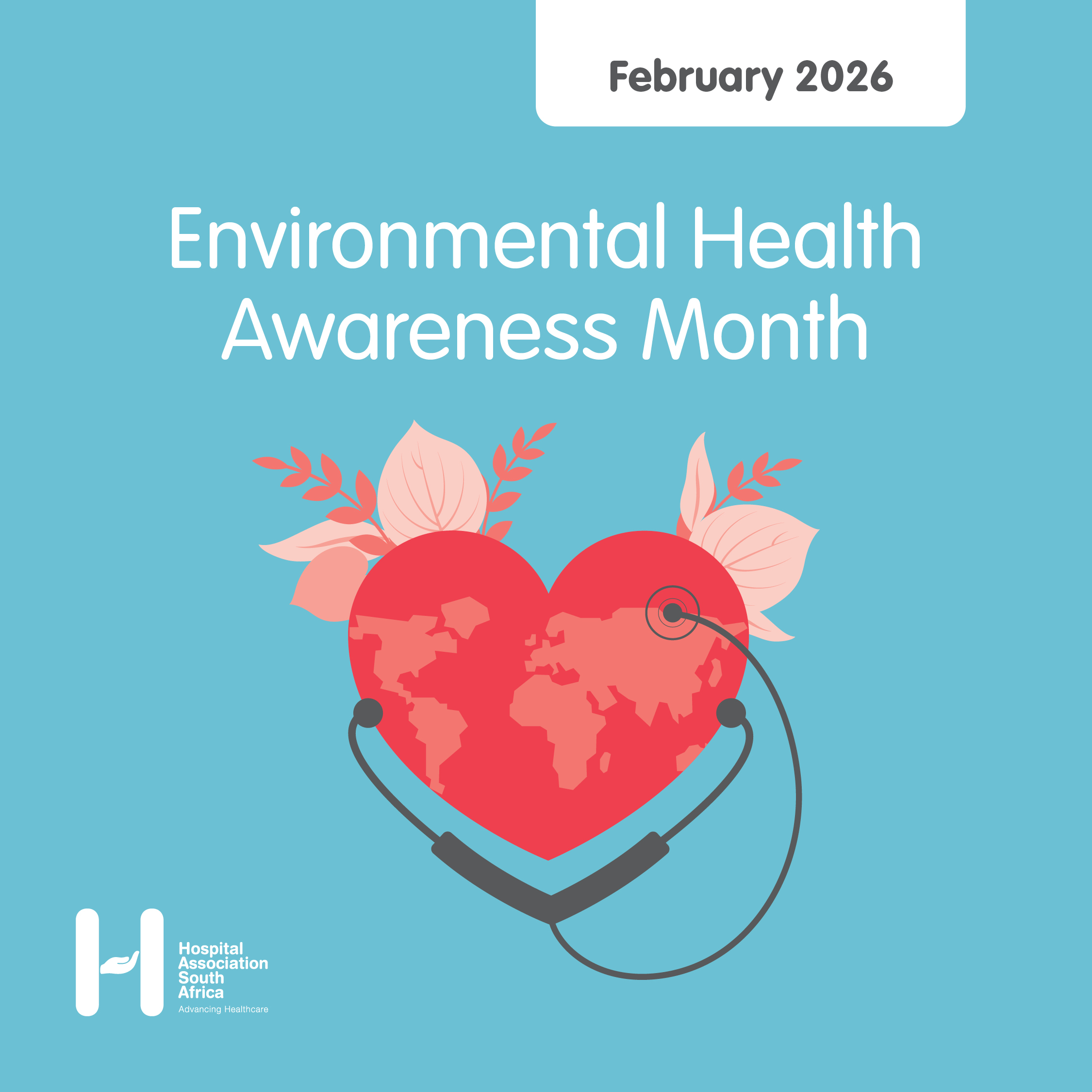
The places we live, work and spend time in can have a bigger impact on our health than we might realise. Environmental Health Awareness Month draws attention to things such as clean water, sanitation, air quality, waste, food safety and living conditions, all of which can contribute to healthier communities.
Reproductive health is something that can change throughout a person's life, from puberty and contraception to pregnancy, fertility and menopause. Reproductive Health Month encourages people to learn more about their bodies, ask questions and feel comfortable seeking professional advice when they need it.
Looking after your health does not have to mean making drastic changes all at once. Healthy Lifestyle Awareness Month is a chance to think about the everyday habits that influence how we feel, from what we eat and how much we move to how well we sleep, manage stress and stay on top of our health checks.
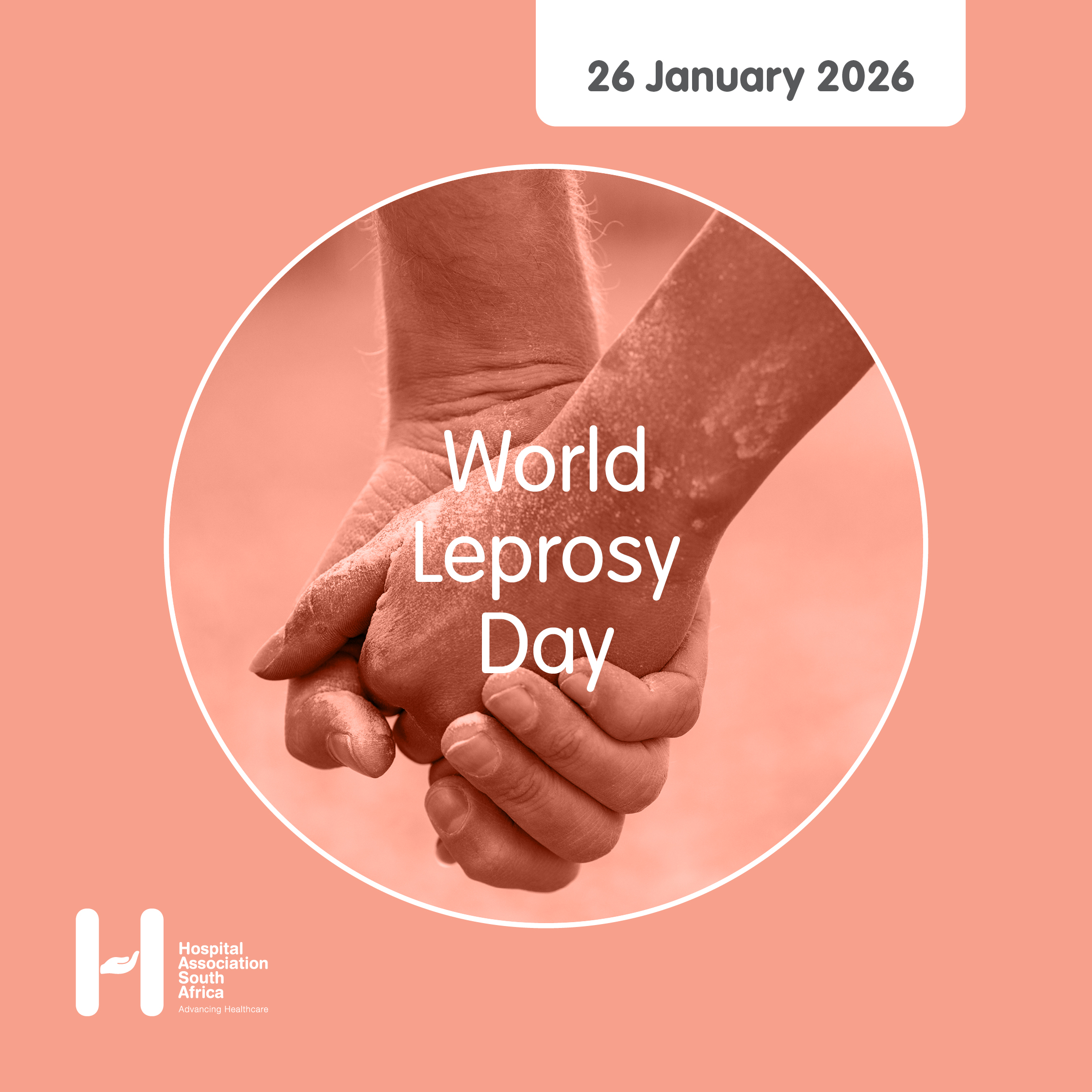
Leprosy is a curable infectious disease, yet misconceptions and stigma can sometimes be as challenging as the condition itself. World Leprosy Day promotes better understanding of leprosy, encourages early diagnosis and reminds us that people affected by the disease deserve dignity, treatment and inclusion.
Braille gives people who are blind or visually impaired greater access to written information, education and communication. World Braille Day recognises the importance of accessibility and reminds us that information should be available in ways that allow everyone to participate.
Cervical cancer is highly preventable through measures such as HPV vaccination and regular screening, with early diagnosis and treatment helping to improve outcomes. Cervical Cancer Awareness Month encourages women to understand the role of HPV, attend recommended screenings and speak to a healthcare professional about any concerns or changes.
South Africa's summer months are often associated with long, sunny days, outdoor activities and time spent in the sun. Too much exposure to ultraviolet (UV) radiation can damage the skin and increase the risk of skin cancer.