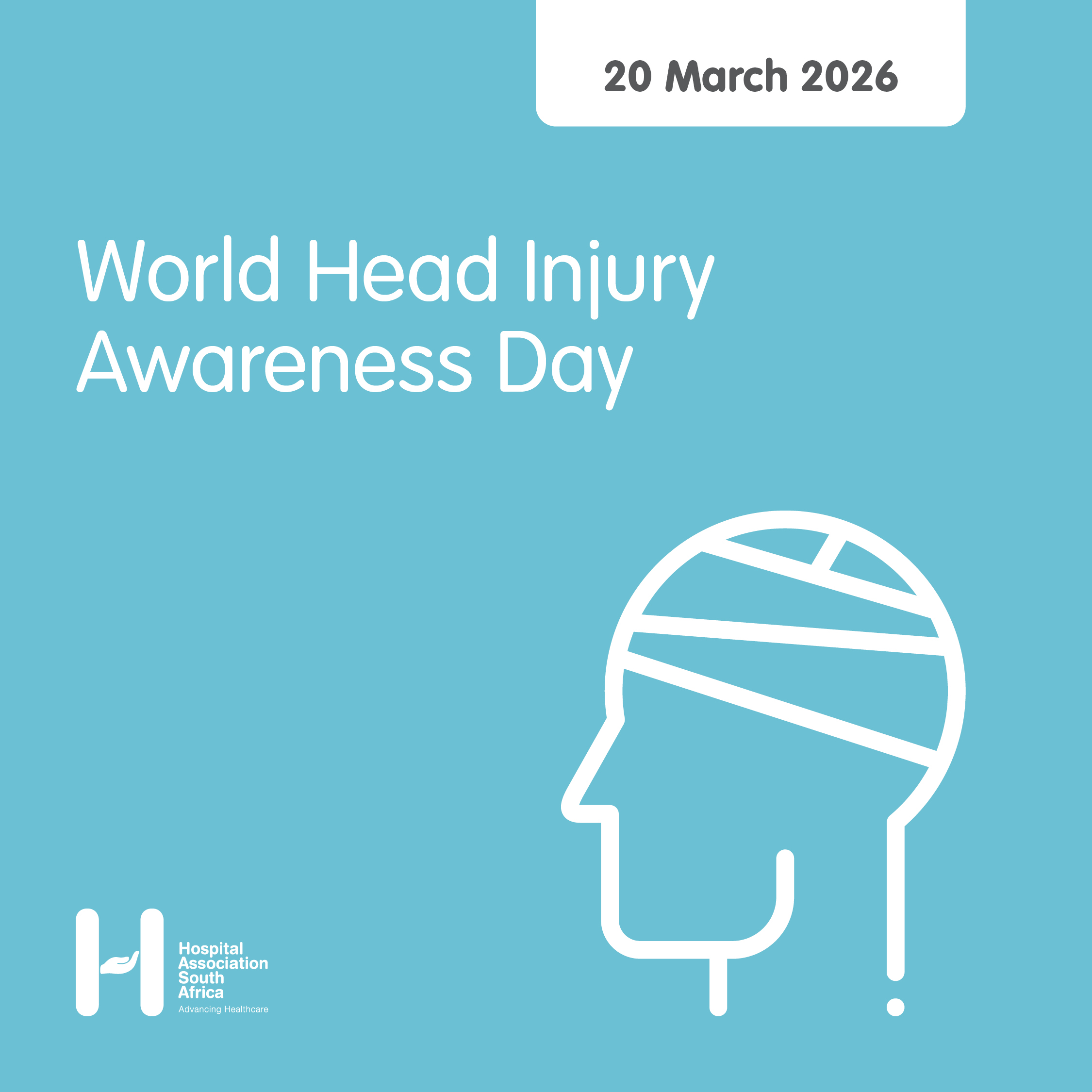
Head injuries can happen during falls, road accidents, sports activities, workplace incidents and other everyday situations. While some injuries may be minor, others can cause serious damage to the brain and require urgent medical attention.
World Head Injury Awareness Day highlights the importance of preventing head injuries and recognising signs that someone may need medical care. Symptoms following a head injury can include headache, dizziness, confusion, nausea, vomiting, unusual drowsiness, problems with balance or changes in behaviour.
A person who loses consciousness, experiences a seizure, becomes increasingly confused or develops severe or worsening symptoms after a head injury should receive urgent medical assessment.
Prevention also plays an important role. Using appropriate protective equipment during activities where head injuries are possible, wearing seatbelts and following road and workplace safety measures can all help reduce risk.
If you are unsure about the seriousness of a head injury, it is safer to seek professional medical advice rather than assuming the injury is minor.